Ask a Screened Patio Enclosure Contractor: Which Screens Are Right for Your Apollo Beach, FL, Home?
Choosing the right screen for your patio enclosure is one of the most practical decisions you can make as a homeowner. Apollo Beach, FL, sits along Tampa Bay's coast, which means salt air, humidity, afternoon storms, and no-see-ums are real factors that affect how long a screen lasts and how well it performs. Consulting a screened patio enclosure contractor for Apollo Beach, FL, early in the planning process helps you avoid choosing based on price alone and replacing it sooner than expected.
Why Apollo Beach, FL's Coastal Setting Changes the Screen Conversation
Apollo Beach, FL's environment shapes every screen decision. Salty air off Tampa Bay, intense UV exposure, and Florida's active hurricane season mean screens take a beating here that they would not face in an inland suburb. Waterfront homes and canal-facing properties deal with consistent salt spray that degrades standard materials faster than expected, leading to premature corrosion, sagging, or torn panels.
Apollo Beach, FL, is also prime territory for no-see-ums. These tiny biting midges are common near coastal and canal areas and slip right through standard screen mesh. That single fact rules out basic 18x14 fiberglass as the best option for many properties. A screened patio enclosure contractor familiar with Apollo Beach, FL, will flag this immediately and steer you toward mesh that actually addresses local insect pressure.
The Main Screen Types a Contractor Will Recommend
Standard Fiberglass Screen (18x14 Mesh)
Standard fiberglass is the most widely used and affordable option. It balances airflow, visibility, and value, keeping out leaves, lizards, and common mosquitoes. The flexible material handles minor wind movement without creasing or cracking. For homes in less exposed positions where the primary goal is keeping larger pests out, standard fiberglass can be a reasonable starting point, though many Apollo Beach, FL, properties warrant an upgrade from the outset.
No-See-Um Screen (20x20 Mesh)
The No-See-Um screen uses a much tighter weave, with roughly 20 strands per inch in both directions, producing a smaller opening that stops the tiny midges common near canals and the coast. The tradeoff is slightly reduced airflow and visibility, but most homeowners in coastal areas find the added protection worth it. If your patio faces the water or sits close to a canal, this is often the first upgrade a screened patio enclosure contractor will suggest.
Solar Screen
Solar screen is a denser, darker weave designed to block a significant portion of UV rays and radiant heat, making your enclosure noticeably cooler during Florida's long summers while helping prevent furniture from fading. The tradeoff is reduced natural light and limited outward visibility. It works well on west- or south-facing patios and can be combined with other screen types across different panels if you want sun control in one area and maximum airflow in another.
Pet-Resistant Screen
A pet-resistant screen is made from thicker, vinyl-coated material designed to hold up against claws, pushing, and repeated impact. Many homeowners install it on lower panels only, where animals are most likely to push or scratch, and pair it with standard or no-see-um mesh on upper panels.
Aluminum Frame Considerations for Coastal Homes
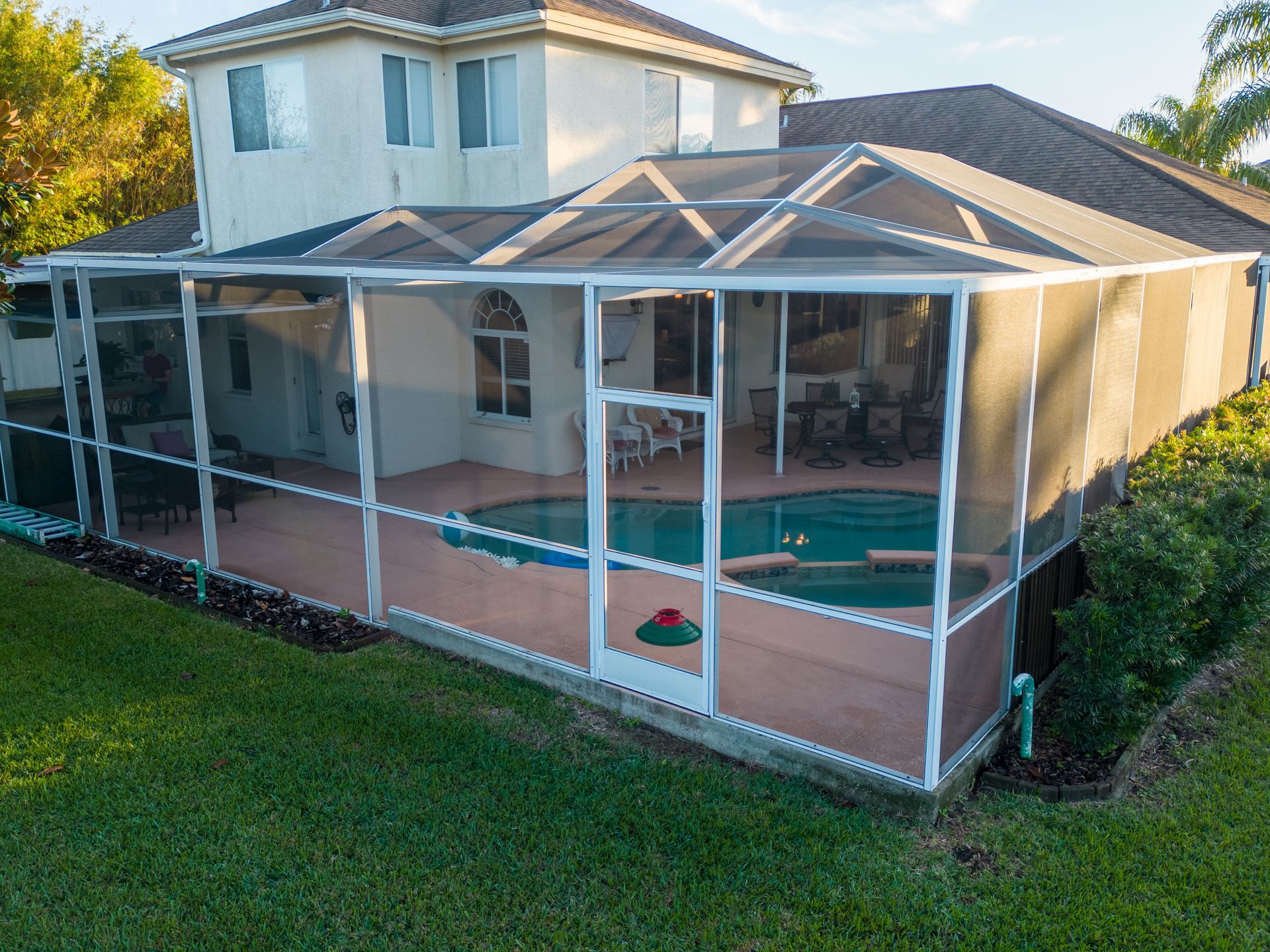
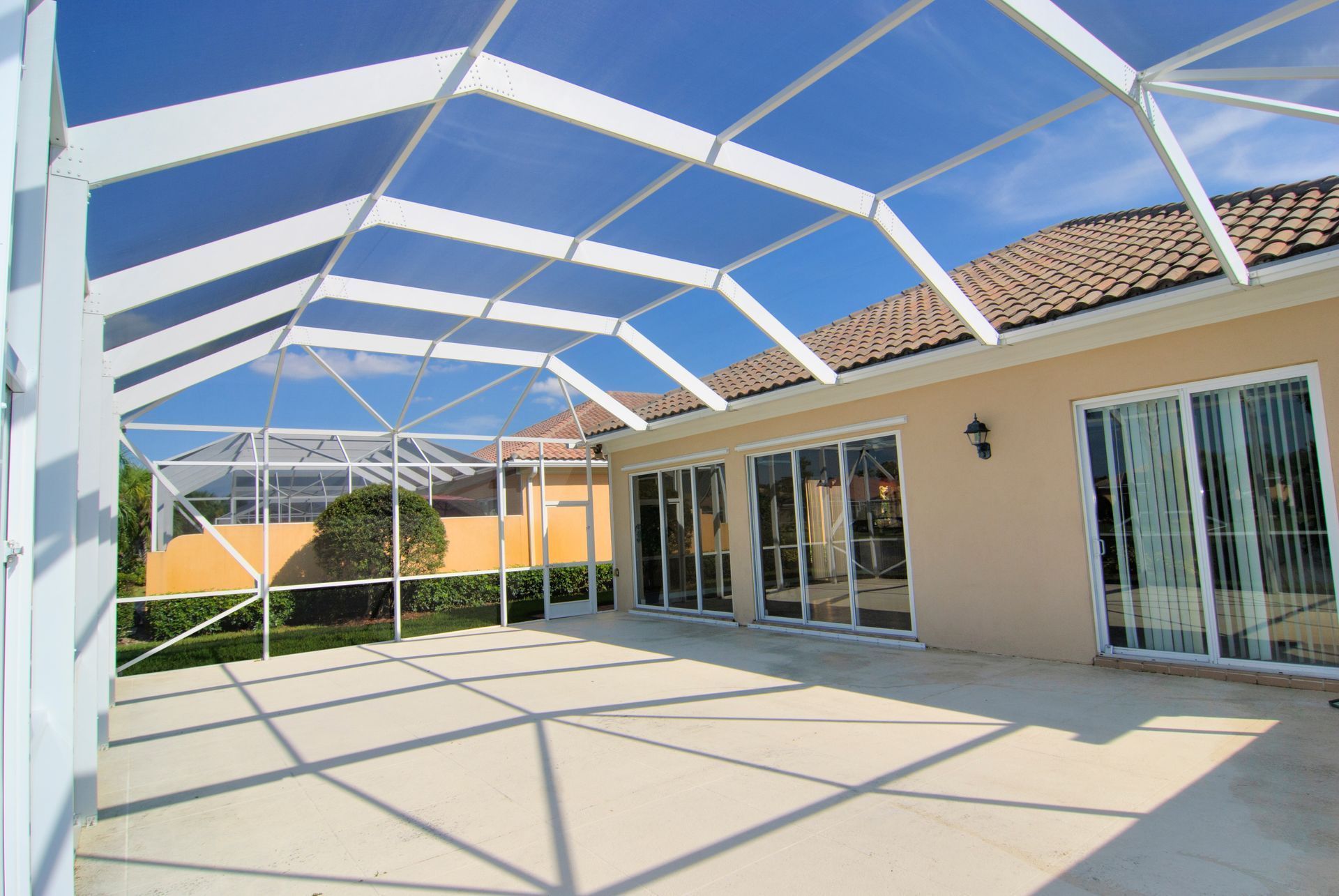
The screen material matters, but the frame matters just as much. Most Florida screen enclosures use aluminum because it is lightweight, rust-resistant, and strong enough to handle wind loads when properly engineered. In Apollo Beach, FL, the quality and thickness of the aluminum, along with how well it is fastened and anchored, determine whether the structure holds through storm season. Any enclosure built here must meet Hillsborough County's wind-load requirements and Florida Building Code standards, which require a permit and inspection before work is complete. An experienced screened patio enclosure contractor ensures the frame specifications meet those requirements before a single panel is installed.
Can I Mix Screen Types Across My Enclosure?
Yes, and many Apollo Beach, FL, homeowners do exactly that. A common approach is no-see-um mesh on lower panels where insects tend to enter, solar screen on roof panels or west-facing walls to manage heat, and standard fiberglass on upper panels for airflow and visibility. A patio enclosure contractor can map out which screen type makes the most sense for each section based on your home's orientation, surroundings, and how you plan to use the space.
Does the Screen Type Affect the Permit or Inspection Process?
The screen material itself does not typically change what the permit covers, but the frame construction and wind-load engineering do. Hillsborough County requires permits for new screen enclosure construction, and the structure must pass a final inspection. Unpermitted enclosures can result in fines and create problems when it comes time to sell. A licensed contractor handles permitting from start to finish.
How Often Will I Need to Re-Screen in Apollo Beach, FL?
Lifespan varies by material and conditions. Standard fiberglass in a coastal environment with high UV exposure and salt air may need attention from a screened patio enclosure contractor sooner than the same material installed inland. Heavier-duty options like no-see-um or pet-resistant screens can offer longer service life with proper care. An on-site consultation gives you a realistic picture for your specific property.
Ready to Choose the Right Screen for Your Home?
The coastal environment adds layers of consideration that a generic product guide cannot address. Salco Screens serves with more than 40 years of hands-on experience in screened patio enclosures and outdoor living screen installations. Call the screened patio enclosure contractor at (813) 689-8252 to schedule a free on-site estimate, or visit Salco Screens to read reviews from homeowners across the Tampa Bay area.